
Understanding the Need for Air Conditioning in London in 2025
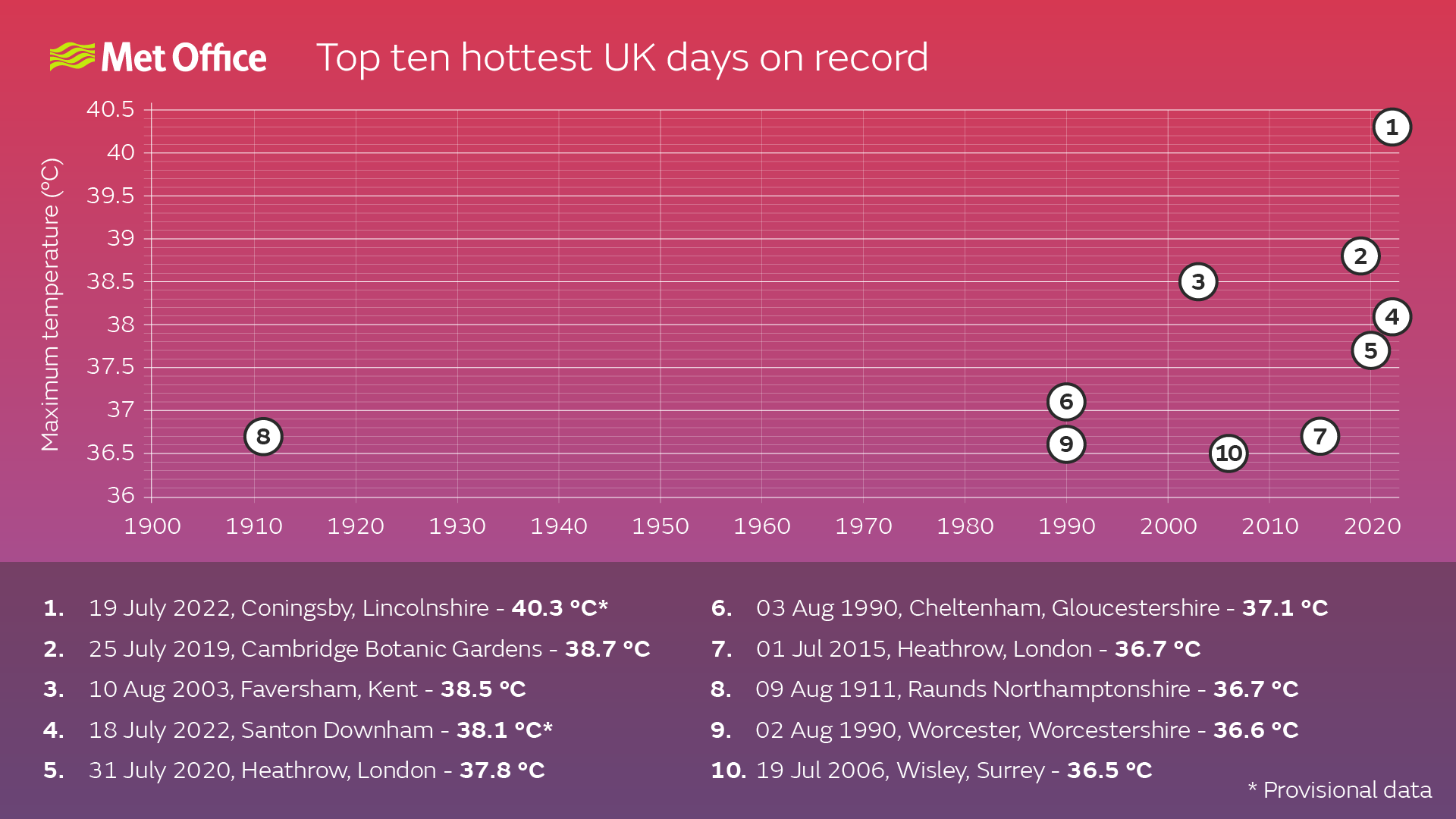
London, known for its historical charm and unpredictable weather, is not typically associated with scorching heat. However, recent years have witnessed a significant rise in summer temperatures, making air conditioning more of a necessity than a luxury.

Sweltering heatwaves can turn your home or office into an uncomfortable space, disrupting daily routines and affecting productivity. As the climate continues to change, the need for reliable cooling solutions in London has never been more critical.
Image: The UK’s record-breaking heat in maps and charts, BBC
Air conditioning offers more than just temperature control. Modern units come equipped with features that improve indoor air quality by filtering out pollutants, allergens, and even viruses. This is particularly beneficial in a city like London, where air pollution levels are high.
By installing air conditioning, you not only create a cooler environment but also a healthier one, enhancing overall well-being and comfort.
Types of Air Conditioning Systems
When it comes to choosing an air conditioning system, it’s essential to understand the different types available and their respective advantages. The most common types include split systems, window units, portable units, and central air conditioning systems. Each type has its unique features and suitability depending on your specific needs and the layout of your space.
Split systems are popular for residential use due to their efficiency and flexibility. They consist of an outdoor compressor and an indoor unit, connected by refrigerant lines. These systems are ideal for cooling individual rooms and offer the advantage of being relatively quiet and energy-efficient. On the other hand, window units are compact and easy to install, making them a practical choice for smaller spaces or temporary cooling solutions. They fit directly into a window frame and can be removed when not needed.
Portable air conditioners offer the convenience of mobility, allowing you to move the unit from room to room as needed. These units are particularly useful in rental properties where permanent installation might not be feasible. Central air conditioning systems, though more complex and costly to install, provide comprehensive cooling for larger homes or office buildings. They use a network of ducts to distribute cool air evenly throughout the space, ensuring a consistent and comfortable temperature.

Factors to Consider Before Installation
Before diving into the installation process, several critical factors must be considered to ensure you select the right air conditioning system for your needs. One of the first considerations is the size of the space you intend to cool. An undersized unit will struggle to maintain a comfortable temperature, while an oversized unit can lead to excessive energy consumption and higher utility bills. Conducting a thorough assessment of your space’s dimensions and cooling requirements is essential.
Additionally, the layout and insulation of your property play a significant role in determining the efficiency of your air conditioning system. Well-insulated spaces retain cool air better, reducing the workload on your unit and saving energy. Conversely, poorly insulated areas may require a more powerful system or additional insulation measures to achieve optimal cooling performance. It’s also important to consider the number of windows and their orientation, as large, south-facing windows can contribute to heat gain.
Another crucial factor is the noise level of the air conditioning unit. While some systems operate quietly, others can produce a noticeable hum that may be disruptive, especially in bedrooms or quiet office environments. Evaluating the noise levels of different units and choosing one that suits your preferences can enhance your overall comfort. Lastly, consider the installation costs and ongoing maintenance requirements to ensure you select a system that fits your budget and long-term needs.

Choosing the Right Air Conditioning Unit
Selecting the right air conditioning unit involves balancing several factors, including cooling capacity, energy efficiency, and budget. The cooling capacity of an air conditioning unit is measured in British Thermal Units (BTUs) and indicates the amount of heat the unit can remove from a space per hour. To determine the appropriate BTU rating for your space, consider factors such as room size, ceiling height, and the number of occupants. Consulting with a professional can help you make an informed decision.
Energy efficiency is another vital consideration, as it directly impacts your utility bills and environmental footprint. Look for units with high Seasonal Energy Efficiency Ratio (SEER) ratings, which indicate better energy performance. Energy-efficient models may have a higher initial cost but can result in significant savings over time through reduced energy consumption. Additionally, some units come with advanced features like programmable thermostats and variable speed compressors that further enhance efficiency.
Budget constraints are also a key factor in choosing the right air conditioning unit. While it may be tempting to opt for the cheapest option, it’s essential to consider the long-term costs associated with energy consumption and maintenance. Investing in a high-quality, energy-efficient unit can provide better performance and durability, ultimately offering better value for money. It’s also worth exploring financing options or government incentives that may be available to support your investment in energy-efficient cooling solutions.
The Installation Process Explained
The installation process for air conditioning can vary depending on the type of system chosen, but some general steps are common to most installations. The first step is to conduct a thorough site assessment to determine the optimal placement for the unit and any necessary modifications to your property. This assessment should be carried out by a qualified professional who can identify potential challenges and recommend solutions.
Once the assessment is complete, the installation process typically begins with the placement of the outdoor unit, which should be situated in a well-ventilated area to ensure efficient operation. The indoor unit is then installed in the designated location, with care taken to ensure it is securely mounted and properly aligned. For split systems, the next step involves connecting the indoor and outdoor units using refrigerant lines, electrical wiring, and drainage pipes.
After the units are connected, the system must be charged with refrigerant and thoroughly tested to ensure it is operating correctly. This includes checking for any leaks, verifying the airflow, and calibrating the thermostat settings. The final step is to provide the user with a comprehensive overview of the system’s features and maintenance requirements, ensuring they are fully informed on how to operate and care for their new air conditioning system.
Common Mistakes to Avoid When Installing AC
Installing air conditioning is a significant investment, and avoiding common mistakes can save you time, money, and frustration. One of the most frequent errors is choosing the wrong size unit for your space. An incorrectly sized unit can lead to inefficiency, increased energy costs, and inadequate cooling. Always conduct a thorough assessment or consult with a professional to determine the correct size for your needs.
Another common mistake is neglecting proper insulation. Without adequate insulation, even the most efficient air conditioning system will struggle to maintain a comfortable temperature. Ensure your space is well-insulated, and consider adding additional insulation if necessary to enhance the system’s performance. It’s also important to seal any gaps or cracks around windows and doors to prevent cool air from escaping.
Improper installation can also lead to numerous issues, including leaks, poor airflow, and system malfunctions. Always hire a qualified and experienced professional to handle the installation process, as attempting a DIY installation can result in costly errors and potential safety hazards. Additionally, failing to perform regular maintenance can reduce the efficiency and lifespan of your air conditioning system. Schedule routine inspections and cleanings to keep your system running smoothly.
Maintenance Tips for Your Air Conditioning System
Proper maintenance is essential for ensuring the longevity and efficiency of your air conditioning system. One of the most important maintenance tasks is regularly cleaning or replacing the air filters. Dirty filters can obstruct airflow, reduce efficiency, and lead to poor indoor air quality. Check the filters monthly and clean or replace them as needed to keep your system operating at peak performance.
Another crucial maintenance task is inspecting and cleaning the coils. The evaporator and condenser coils can accumulate dirt and debris over time, reducing the system’s ability to absorb and dissipate heat. Clean the coils annually or more frequently if your system is exposed to dusty conditions. Additionally, ensure that the area around the outdoor unit is free of obstructions, such as leaves, grass, and debris, to maintain proper airflow.
It’s also important to check the refrigerant levels and inspect the system for any leaks. Low refrigerant levels can indicate a leak, which should be addressed promptly by a professional. Regularly inspect the condensate drain to ensure it is not clogged, as a blocked drain can cause water damage and reduce humidity control. Scheduling annual professional maintenance can help identify and address potential issues before they become major problems, ensuring your system remains efficient and reliable.
Energy Efficiency and Cost Considerations
Energy efficiency is a critical factor when selecting and operating an air conditioning system, as it directly impacts both your utility bills and environmental footprint. Investing in an energy-efficient unit can result in significant cost savings over time, as well as reducing your carbon emissions. Look for units with high SEER ratings, which indicate superior energy performance and compliance with energy efficiency standards.
In addition to choosing an energy-efficient unit, there are several steps you can take to optimize your system’s performance and reduce energy consumption. Using a programmable thermostat allows you to set specific temperature schedules, ensuring the system operates only when needed. This can prevent unnecessary energy use and lower your cooling costs. Additionally, maintaining proper insulation and sealing any gaps can enhance the system’s efficiency by preventing cool air from escaping.
Another cost-saving measure is utilizing natural ventilation and shading to reduce the cooling load on your air conditioning system. Opening windows and using fans during cooler parts of the day can help circulate air and reduce the need for mechanical cooling. Installing blinds, curtains, or reflective window films can also minimize heat gain from direct sunlight. By combining these strategies with an energy-efficient air conditioning system, you can achieve optimal comfort while keeping your energy costs in check.
Local Regulations and Permits for AC Installation
Before proceeding with the installation of an air conditioning system in London, it’s important to be aware of any local regulations and permit requirements. Depending on the type of property and the scope of the installation, you may need to obtain planning permission or adhere to specific building codes. Failure to comply with these regulations can result in fines or the need to alter or remove the installation.
For residential properties, particularly those in conservation areas or listed buildings, there may be additional restrictions on the placement and appearance of outdoor units. It’s essential to consult with your local planning authority to determine any specific requirements for your property. In some cases, you may need to submit detailed plans and obtain approval before proceeding with the installation.
Commercial properties may also be subject to additional regulations, particularly regarding the environmental impact and energy efficiency of the system. Ensure that your installation complies with all relevant building codes and energy performance standards. Hiring a qualified and experienced contractor can help navigate these regulations and ensure a smooth and compliant installation process.
Conclusion and Final Thoughts on Staying Cool in London
As London’s summers and springs continue to grow hotter, installing an air conditioning system becomes an increasingly valuable investment in comfort and well-being. By understanding your cooling needs, selecting the right system, and ensuring a proper installation, you can create a refreshing oasis to escape the heat. Avoiding common mistakes and adhering to maintenance best practices will help keep your system running efficiently for years to come.
Energy efficiency and cost considerations are crucial in making the most of your air conditioning system while minimizing environmental impact and utility expenses. Utilizing natural ventilation, proper insulation, and programmable thermostats can further enhance your system’s performance and reduce energy consumption. Staying informed about local regulations and obtaining the necessary permits will ensure a smooth and compliant installation process.
Ultimately, investing in a high-quality air conditioning system can transform your living or working environment, providing a cool and comfortable space to enjoy even during the hottest days. With the right knowledge and preparation, you can beat the heat and embrace the refreshing chill you deserve in the vibrant city of London.
Leave a Reply